



Winter Pruning Guide for Apples, Pears, and Quinces
THE IMPORTANCE OF WINTER PRUNING
As we reach late June in Melbourne, the cold weather has well and truly settled in. While it might be tempting to stay indoors with a hot cup of tea, it welcomes an ideal time to prune certain fruit trees. Your deciduous fruit trees, specifically the pome species like apples, pears, and quinces, are in their dormant phase and are ready for a winter-cut.
Dormancy means the plant is entering a period of rest, similar to a hibernation to assist it to endure the harsh months of winter so it can conserve its energy as it dies back partially, and luckily the roots are protected by the warm underground. Pruning them now is less stressful for the plant, and because the leaves have dropped, you have a clear view of the branch architecture.
WHY FOCUS ON POME FRUITS?
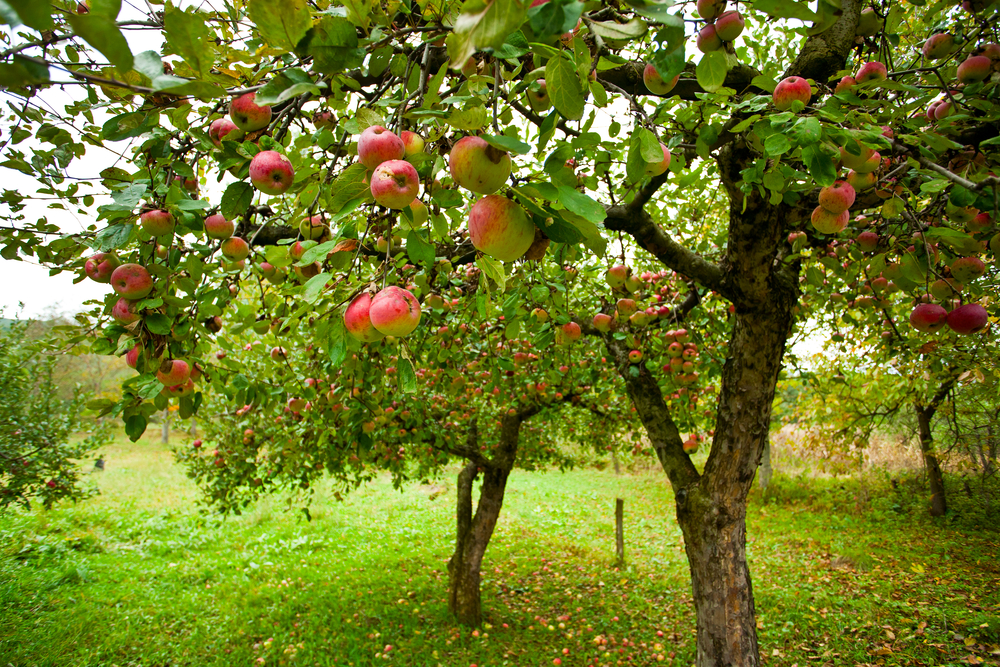
Pome fruits share similar growth habits and are incredibly rewarding to grow in the Victorian climate. However, if left completely alone, an apple or pear tree will quickly become a tangled mess of branches. This dense canopy blocks sunlight from ripening the fruit and restricts airflow, which provides a perfect breeding ground for fungal diseases. Proper pruning ensures the tree channels its energy into producing large, sweet, and juicy fruit rather than simply growing more wood.
PREPARING FOR THE PRUNING PROCESS
Before making a single cut, preparation is key. You will need a good pair of bypass secateurs for the smaller twigs, loppers for thicker branches, and perhaps a pruning saw for anything substantial.
Hygiene is just as important as sharpness. Always sanitise your tools with a bit of methylated spirits before you begin, and again when moving between different trees. This stops the spread of hidden bacterial or fungal infections.
THE PRUNING CHECKLIST
When evaluating your sleeping tree, keep this simple sequence in mind: – Remove the dead, damaged, and diseased wood first. This instantly cleans up the tree and protects its overall health.
– Clear out the centre. For most pome trees, you want to create an open vase shape. This means removing branches that grow straight up through the middle, allowing sunlight to reach the inner canopy.
– Remove crossing branches. If two branches are rubbing together in the wind, they will create a wound that invites disease. Remove the weaker of the two.
– Trim back the water shoots. These are the vigorous, perfectly straight branches shooting straight up towards the sky. They rarely produce fruit and drain the tree of vital energy.
– Shorten the outward-facing branches. Cut back the remaining healthy branches by about a third, making your cut just above an outward-facing bud to direct next year’s growth away from the centre.
RESPECTING THE FRUITING SPURS
Apples and pears generally produce fruit on short, knobbly little branches known as spurs. It is vital to recognise these so you do not accidentally prune away your entire future harvest. Quinces are slightly different, as they bear fruit on the tips of new shoots grown in the spring. Because of this, quinces usually require a lighter touch to avoid removing all the fruiting potential.
CALL IN THE EXPERTS
Fruit tree pruning is both an art and a science. It can be a little intimidating, especially if you have mature trees that require working with heights or heavy lifting. If you want to ensure your apples, pears, and quinces are perfectly prepared for a massive spring bloom, our qualified arborists at Treeman Melbourne are ready to help. We have the skills, the tools, and the passion to keep your garden thriving all year round.